
Travel Strategy Guide
Hidden City Ticketing in 2026:
Does It Still Work and Is It Risky?
The controversial flight-booking loophole that some travelers swear by, airlines dislike, and travel experts continue debating.
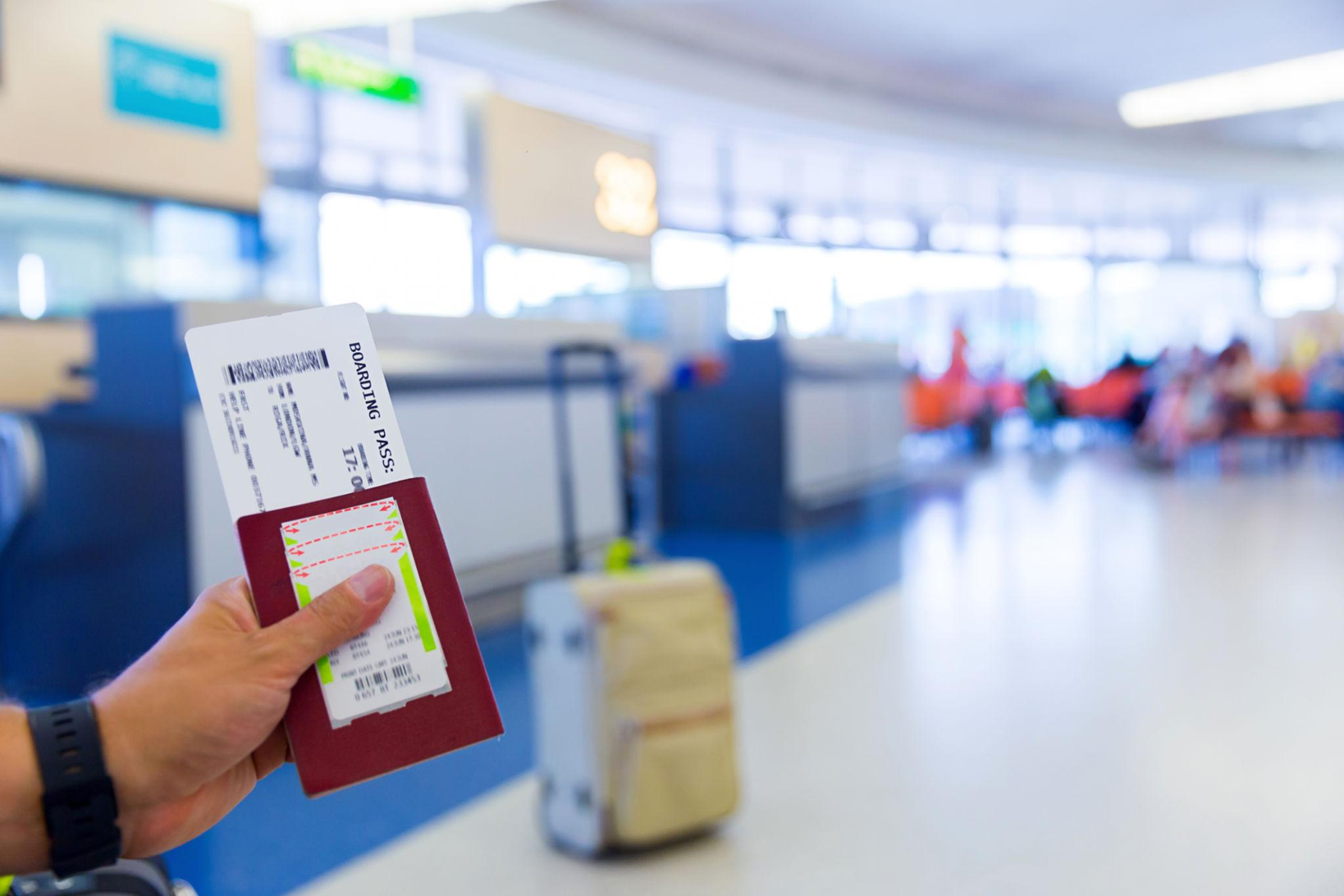
If you've spent any time searching for cheap flights, you've probably come across a travel trick called
hidden city ticketing.
Some travelers
swear by it.
Others
call it a gamble.
Airlines
absolutely hate it.
The idea sounds simple enough: book a cheaper flight that connects through your actual destination, then leave the airport during the layover instead of taking the final flight.
Example of Hidden City Ticketing
Karachi → London
$780
Karachi → London → Dublin ($590)
With hidden city ticketing, you'd simply leave the airport in London and never board the final flight to Dublin.
Sounds clever, right?
Sometimes it works.
But in 2026, airlines have become much better at identifying this behavior, and the risks are higher than many travelers realize.
Before you try it, here's what you need to know.
What Is Hidden City Ticketing?
Hidden city ticketing (sometimes called "skiplagging") is a booking strategy where a traveler purchases a ticket with a connection beyond their intended destination and intentionally skips the final segment.
Airlines consider this a violation of their fare rules and conditions of carriage.
The pricing oddity exists because airline fares aren't based purely on distance.
Instead, airlines price routes according to
competition, demand, business travel patterns, and revenue management systems.
Why Does This Happen?
Many travelers assume flying farther should cost more.
Airlines don't see it that way.
Their pricing systems focus on market demand rather than mileage.
Mumbai → London
Often expensive because demand remains strong.
Mumbai → London → Manchester
Sometimes cheaper due to route competition.
Delhi → Paris
Can cost more than continuing onward.
Delhi → Paris → Brussels
Occasionally sold at a lower fare.
To travelers, this seems backwards.
To airline revenue managers, it's completely intentional.
Hidden City vs. Split-Ticket Pricing: What About Brazil to Italy in 2026?
Travelers searching for Brazil to Italy flights in 2026 may come across another pricing strategy that looks similar to hidden city ticketing: split-ticket pricing.
The two strategies are not the same.
With hidden city ticketing, you intentionally book an itinerary that continues beyond your actual destination and skip the final flight segment.
With split-ticket pricing, you purchase separate tickets for different parts of the journey. For example, instead of buying one Brazil → Italy itinerary, a traveler might compare separate tickets for Brazil → Europe and Europe → Italy.
This distinction becomes particularly important when comparing premium cabin fares.
A premium cabin ticket from Brazil to Italy can sometimes be substantially more expensive than combining separate tickets, especially when airlines price long-haul business or premium economy itineraries differently from shorter regional flights.
Does Premium-Class Split-Ticket Pricing Save Money?
It can, but the savings should be evaluated against the additional risks.
For example, a traveler might compare:
Single ticket:
Brazil → Italy in premium economy or business class
Split tickets:
Brazil → European hub + separate European hub → Italy ticket
The second option may produce a lower total fare in some markets, but the tickets are usually treated as separate contracts of carriage.
That means the airline operating the second flight generally has no obligation to protect you if the first ticket is delayed and you miss the connection.
For premium-class travelers, this can be especially important because the apparent fare saving may not compensate for losing through-ticket protection, baggage arrangements, lounge access, or other included benefits.
What About Hidden-City Policies on Brazil–Italy Flights?
Before using a hidden-city itinerary, check the specific airline's conditions of carriage and fare rules.
There is no universal "Brazil to Italy hidden-city policy." Restrictions can vary by airline, ticket type, route, frequent-flyer program, and the circumstances of the booking.
The same applies to premium cabins. Paying for business class or premium economy does not automatically make a hidden-city itinerary acceptable under an airline's rules.
If your priority is simply finding the lowest legitimate fare between Brazil and Italy, compare
normal one-way fares, flexible dates, nearby airports, separate-ticket combinations, and different cabin classes
before considering hidden-city ticketing.
In other words, split-ticket pricing can be a lower-risk alternative to deliberately skipping a flight segment, but separate tickets introduce their own connection and baggage risks.
Does Hidden City Ticketing Still Work in 2026?
Technically, Yes.
People still use it successfully every day.
The pricing gaps that make hidden city ticketing possible haven't disappeared.
But that's not the real question.
The real question is whether it's worth the risk.
And that's where things become complicated.
⚠️ Important
The Biggest Risks Most Travelers Ignore
Many travel influencers focus on the savings.
Few spend enough time discussing what can go wrong.
- Checked Bags Can Ruin Everything
This is the biggest problem.
Your luggage will usually be tagged to the final destination shown on your ticket.
Using our earlier example:
Karachi → London → Dublin
Your suitcase goes to Dublin.
You get off in London.
Your bag doesn't.
That's why hidden city ticketing is generally only possible when traveling with carry-on luggage.
- Return Flights Can Be Canceled
Many travelers discover this the hard way.
When you intentionally miss a flight segment, airlines often cancel all remaining portions of the itinerary automatically. Missing one segment can trigger cancellation of subsequent flights, especially on round-trip bookings.
That's why hidden city users typically book one-way tickets.
Trying this on a round-trip itinerary can become very expensive.
- Flight Changes Can Destroy Your Plan
Imagine booking:
Delhi → Frankfurt → Amsterdam
You intend to stop in Frankfurt.
Then a weather disruption occurs.
The airline rebooks you through Munich instead.
Suddenly, Frankfurt disappears from your itinerary entirely.
This risk is often overlooked, but airline schedule changes happen every day.
- Frequent Flyer Accounts Are Vulnerable
Airlines have become increasingly aggressive in monitoring repeated hidden city bookings.
Potential consequences can include:
- Loss of airline miles
- Loss of elite status
- Closure of loyalty accounts
- Future booking restrictions
- Fare difference charges
Major carriers have publicly intensified enforcement against repeat offenders.
Is Hidden City Ticketing Illegal?
This is where many articles get things wrong.
In most countries, hidden city ticketing is generally not considered a criminal offense.
You are unlikely to be arrested, fined by the government, or face criminal penalties simply for skipping a flight segment. Courts have generally distinguished the practice from criminal conduct.
However, that doesn't mean airlines approve of it.
Most airlines explicitly prohibit hidden city ticketing within their conditions of carriage and consider it a violation of the agreement between passenger and airline.
In practical terms:
- ✅ Not illegal.
- ⚠️ But usually against airline rules.
That's an important distinction.
Why Airlines Care So Much
Many travelers ask:
"If I paid for the ticket, why should the airline care?"
The answer comes down to revenue management.
Airlines spend billions optimizing pricing across thousands of routes.
Hidden city ticketing exploits weaknesses in those pricing models.
When enough passengers do it, airline forecasting becomes less accurate.
This is why carriers continue investing in detection systems and enforcement efforts.
What Real Travelers Say
Travel communities remain divided.
Many travelers report successfully using hidden city tickets for years.
Others describe canceled itineraries, account warnings, and unexpected complications.
A common theme across airline and travel forums is that occasional use often goes unnoticed, while repeated use on the same airline increases the likelihood of scrutiny.
Occasional use may go unnoticed, but repeated hidden city bookings on the same airline can attract additional scrutiny over time.
That doesn't mean enforcement is guaranteed.
It means the risk rises over time.
When Hidden City Ticketing Is Most Dangerous
You should avoid hidden city ticketing if:
- ✈️ You need checked baggage.
- 👨👩👧👦 You're traveling with family.
- 💼 You're on a business trip.
- 🏅 You're using an important frequent flyer account.
- 🎫 You have a round-trip ticket.
- 🛂 You need visa compliance tied to your itinerary.
- ⚠️ You cannot afford disruptions.
For many travelers flying from South Asia to Europe or North America, these conditions apply more often than not.
Better Alternatives for Finding Cheap Flights
Instead of relying on hidden city ticketing, consider lower-risk strategies.
Use Flexible Date Searches
Moving your departure by just a few days can often save more than a hidden city fare.
Compare Nearby Airports
Examples include:
- London Heathrow vs. Gatwick vs. Stansted
- New York JFK vs. Newark
- Brussels vs. Amsterdam
- Frankfurt vs. Düsseldorf
Book Earlier for Long-Haul Routes
Flights from South Asia to Western destinations often rise sharply within the final few weeks before departure.
Compare Airlines
Instead of Routes
Many travelers focus on destinations but forget to compare carriers.
A Doha connection on Qatar Airways may be significantly cheaper than a direct competitor.
The same applies to Turkish Airlines, Etihad, Emirates, and several European carriers.
Consider Open-Jaw Itineraries
Flying into one city and returning from another can occasionally reduce total airfare while providing more flexibility.
So, Is Hidden City Ticketing Worth It in 2026?
For most travelers, probably not.
Yes, hidden city ticketing still works.
Yes, it can occasionally save substantial money.
But the strategy comes with real risks that have grown significantly in recent years.
Hidden city ticketing can save money, but every potential saving comes with additional risk and uncertainty.
If you're a backpacker carrying only a small bag and don't care about airline loyalty programs, you may decide the savings justify the gamble.
If you're traveling with family, checking luggage, flying internationally, or relying on a return ticket, the downside can easily outweigh the savings.
The reality is that hidden city ticketing isn't the "secret loophole" many social media posts make it out to be.
It's simply a trade-off.
You exchange certainty for the possibility of a lower fare.
Whether that's a smart trade depends entirely on your situation.
Frequently Asked Questions
Does hidden city ticketing still work in 2026?
Yes, hidden city ticketing can still work on certain routes, but airlines are increasingly monitoring this practice. Travelers should understand the risks before attempting it.
Why are hidden city flights sometimes cheaper?
Airline pricing is based on market demand rather than distance. In some cases, a flight with a connection can cost less than a nonstop flight to the connection city itself.
Can I check a bag when using hidden city ticketing?
Usually no. Checked baggage is normally tagged to the final destination on the ticket, so travelers using hidden city fares generally need to travel with carry-on luggage only.
Is hidden city ticketing illegal?
Hidden city ticketing is not illegal in most countries. However, it may violate an airline's conditions of carriage, which can lead to penalties or account restrictions.
What happens if an airline discovers hidden city ticketing?
Depending on the airline and circumstances, consequences can range from no action at all to canceled loyalty points, fare recalculations, or restrictions on future bookings.
Should travelers use hidden city ticketing to save money?
It depends on your risk tolerance. While the savings can sometimes be substantial, travelers should weigh those savings against the possibility of disruptions, missed connections, or airline policy enforcement.